Tag

The Love Lounge

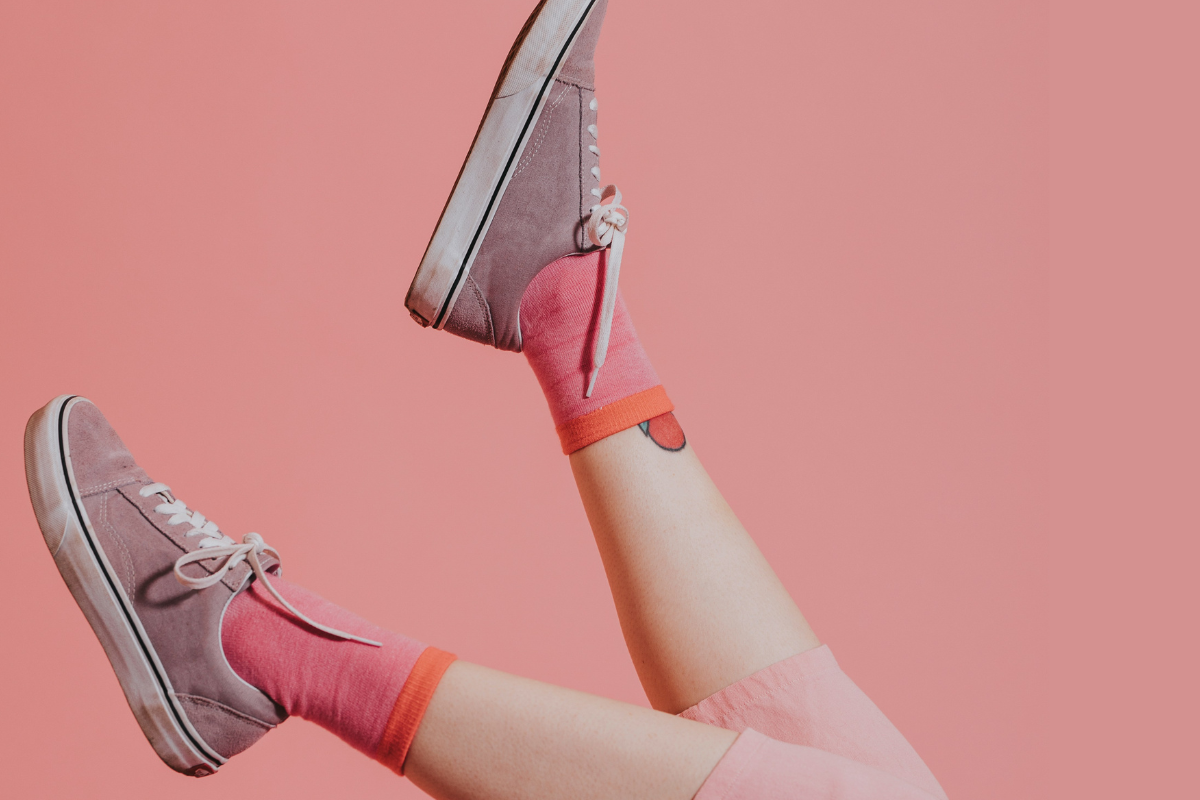
A person wearing light pink pants, bright pink socks with orange trim, and mauve sneakers with white laces is playfully kicking their legs up against a solid pink background.

Run Alton Towers for Enhance the UK!

By Event

We are inviting you to come and fundraise for Enhance the UK, a charity dedicated to breaking down barriers and changing perceptions of disability.

Join us on 15th November 2025 for Run Alton Towers – the UK’s most thrilling theme park race.

Free Park Entry, Medal & Goody Bag 🏅

Sign up by visiting our Enhance the UK Alton Towers page

Every runner receives a medal, a goody bag, and free entry to Alton Towers for the entire day. After your run, celebrate in style with roller coasters, attractions, and a well-earned treat!

Distances for Everyone 🏃‍♀️

Whether you walk, run or self-propel, there’s something to suit you: 5K, 10K, or Half Marathon. Plus, with a junior race, the whole family can join in the fun.

Simply pay £20.80 to secure your place and pledge to raise a minimum of £100 in support of Enhance the UK. We have 30 spaces available – first-come, first-served!

Run for inclusion, Run for change. Run for Enhance the UK.

Sign up today and be part of something unforgettable!

Sign up by visiting our Enhance the UK Alton Towers page

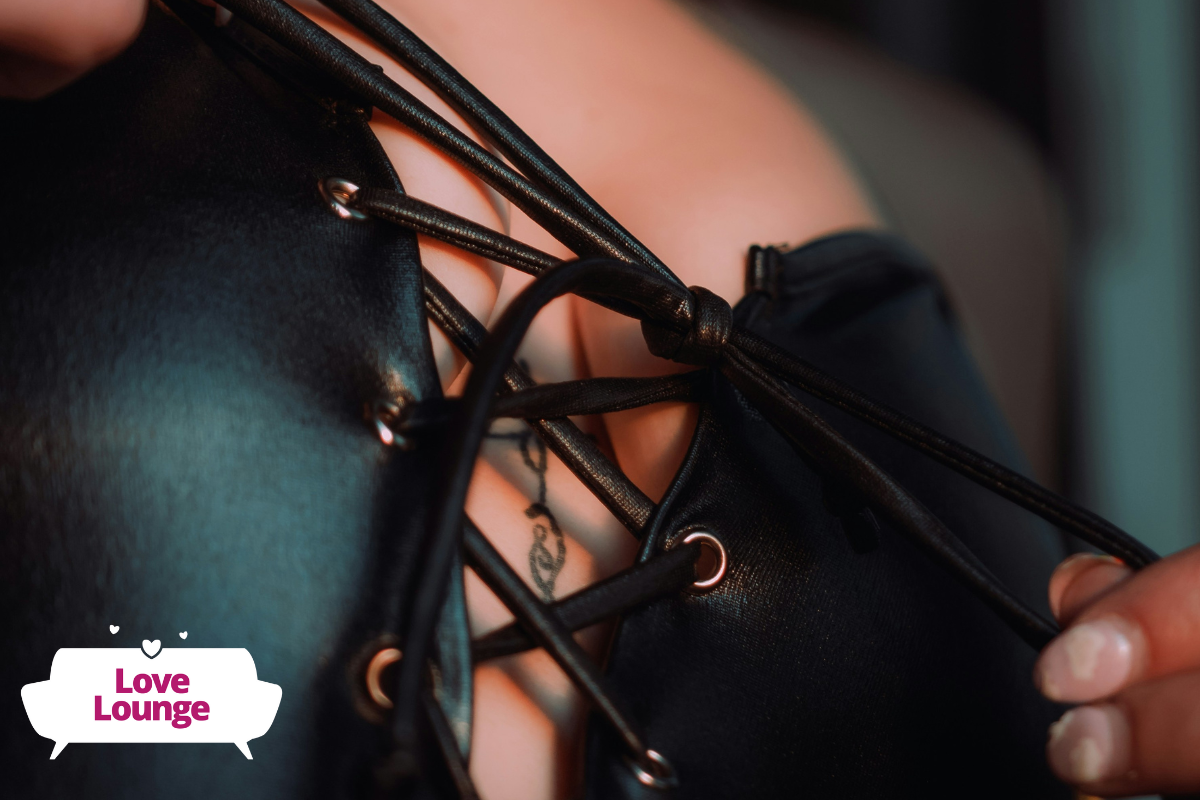
A person is pulling the strings of a black PVC top closed over their breasts

Love Lounge on…….kink and sex toys

By Event, Sex & disability, Undressing Disability

We’re back and by popular demand, so is our discussion on all things kink! Join us for a discussion around navigating kink toys and the scene as disabled people.

Featuring the brilliant Jennie Williams, Jody Sill, and Katherine Sellors, this is your chance to ask questions, share experiences, and get real answers to all your red-hot questions! We will also be featuring toys from the kink specialists, Whippletickle.

Whether you are curious about kink or looking for a new favourite toy, don’t miss this open, inclusive chat and hangout

All proceeds from ticket sales (excl. Eventbrite fee will go to the charity, Enhance the UK, to help us keep Love Lounge sessions free.)

📅 Date & Time: September 25th at 7:00pm

🎟️ Buy your ticket here by visiting the event page

Jody Sill (she/her) is a COSRT-certified psychosexual therapist, specialising in kink and LGBTQ+ sexuality. She is also a published researcher in the field of sexuality, a kink educator, and an openly queer and kinky person who enjoys nothing more than empowering people to live their most pleasurable, confident, and authentic sexual lives.

Katherine Sellors (she/her) is an occupational therapist who qualified in 2020. She has been interested in supporting accessible sexual expression since university and has been working with Undressing Disability ever since.

Jennie Williams (She/Her) is the founder and CEO of Enhance the UK, a leading disability awareness charity. Passionate about breaking down barriers around disability, relationships, and sexuality, she created the Undressing Disability campaign to challenge stigma and promote inclusive conversations.

Please email cj@enhancetheuk.org for access requirements ahead of the event. The event will be held online.

Contact: Please note that we may contact you from time to time to let you know of services and resources that we think will be of interest to you. If you would like to opt out of receiving these emails, please email hello@enhancetheuk.org

Any questions or queries: CJ@enhancetheuk.org

This event is a fundraiser for Love Lounge to help us keep providing our services for free to disabled and neurodivergent people. All proceeds from ticket sales (excl. Eventbrite fee will go to the charity, Enhance the UK)

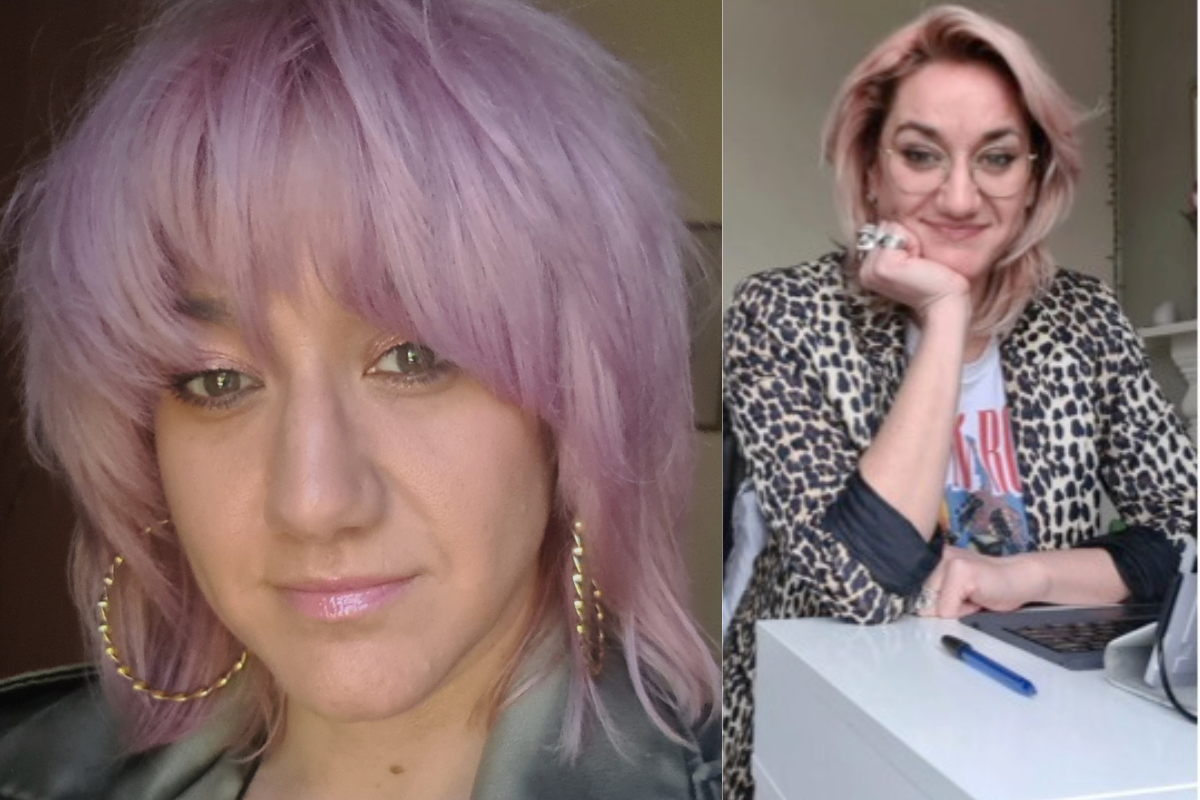
two images together A close-up portrait of a person with layered pastel purple hair and blunt bangs. They are wearing large gold hoop earrings and have soft pink makeup, including shimmery pink eyeshadow and glossy lipstick. The person is looking directly at the camera with a slight smile. The other photo is the same person in a leopard print blazer smiling at the camera and standing up

Amy Butterworth on….Long Covid, recovery and accepting vunerability

By Sex & disability, The Love Lounge questions, Undressing Disability

Amy Butterworth is a Long COVID activist, coach and talented writer. She is a powerful advocate for people living with Long Covid (LC), and her Instagram is a valuable source of inspiring tips and advice on managing the condition.

She shares what life was like for her before LC and what quick wins we can implement to support others.

What was life like for you pre-COVID?

I was managing a team at the Scouts, designing the programme of badges and activities, ensuring they were inclusive and accessible and preparing our young people for the changing world. I loved travelling the country and meeting groups to understand what they wanted from the programme, and how inclusive co-designing can create that.

Just before I got sick, I launched the Money Skills Activity Badge for Beavers and Cubs, which I was hugely proud of. I made sure we were co-designing with leaders and young people with different cultural, religious and neurodivergent backgrounds, specifically dyscalculia. Outside of work, I would set myself a physical challenge every year (triathlon, half marathon, boxing match), I loved going to gigs, theatre and comedy, and generally being the one you could call on to pick you up from the airport or watch your kids. 

When did you contract COVID, and what has it meant for you since then?

I got it in July 2021, and it changed everything. It was like a very exhausting flu, but after the cough went away and my sense of smell returned (ugh, that was the weirdest part), the fatigue persisted. I felt very weak, exhausted by walking, and my breath felt like hard work. My workplace was kind and patient, but I couldn’t return – I couldn’t guarantee that I could be a reliable colleague, so we had to terminate my contract.

I had to focus on my recovery and, after another year, I realised that this wasn’t recovery, it’s just how my body is now. That acceptance helped to change my attitude. I’m not ‘trying to get better’, I’m accepting this as my best, and let’s start here.

I started sharing my mindset and practical tips on Instagram in March 2024, as @longcovidrockstar, and it has really helped me make something of this experience. I’m still on the sofa 70% of the time, but now I feel a part of something, and that’s huge.

You can follow Amy at her Instagram page, LongCovidRockstar

What are some of the biggest misconceptions people have about Long Covid?

Many people just don’t understand it, and it speaks to a lot of systems that we have been living in: that fatigue is just laziness, and we’re not trying hard enough (capitalism), that it’s probably not as bad as you think (misogyny), or that we are choosing to live like this (ableism). We struggle with the concept of ‘chronic’ conditions because that narrative is ‘you get sick, then you get better’, but these illnesses are lifelong, and it can be scary to see people like me get disabled who were previously very healthy. We represent the fallibility and randomness of the body.

Long COVID has a few cousins (ME, MS, CFS, etc), and it is experienced differently by everyone. 200+ symptoms, 65 million people worldwide, it’s been hard to find a correlation in such a recent illness. Some people recover, others are bedbound, some push through, and everything in between. So that inconsistency makes it hard to understand and, honestly, develop sympathy for people with it. 

What has been the biggest adjustment for you?

Not knowing that I can always rely on my body. The humility that limited energy brings. I walk with a stick now. I use a wheelchair on outings. I can work for 2 hours a week. I cancel plans frequently because I don’t have the energy. I have learned how to give myself grace for all of these – I used to see them as failures, now they are simply how I live, no judgement. 

Learning to accept my vulnerability and ask for (and accept) help. I was so proud of my independence, and this has shown me how much I need my support network – and that it was there all along. There has been some profound heartbreak of some people not staying with me on this journey, and the overwhelming love and understanding I have received from my family and friends who have stuck by me has helped me adjust to this new way of living (and loving). I am very aware that not everyone has this – even just being believed is a really big thing for people with ‘invisible’ illnesses – and so I try to share the love where I can. 

Giving myself the grace to rest, the kindness and patience I speak to myself with now are very different. Like many others, I would assign my value to how much I could do/produce/achieve in each day, that ‘stress meant that I cared enough’, that burnout meant I had worked ‘hard enough’.

I’ve been reading a lot about activist history, and that Audre Lorde line is a foundational tenet now: “Caring for myself is not self-indulgence, it is self-preservation, and that is an act of political warfare.” Do not underestimate just how political it is to claim ownership over your own body, especially a female one, or a queer one, a trans one, or a disabled on, or a Black or Brown one – capitalism forces us to ignore our bodies, and when we rest we are protesting that. We put ourselves first, we deserve it, my one wild and precious life will not be focused entirely on punishing myself, my self, or my body, for your standards.

You are so open on social media about what your life is like with LC. Have you found community online, or how has it been to be so open?

I am very careful about what I choose to share and what I’m ready to talk about, and that will continue to change. I am lucky enough to be working with a great therapist, and through our conversations, I’m learning how to give language to what I’m going through, which I pass on to others in case it’s helpful. I’m also careful about not using social media to heal a wound – that is my job, not the function of likes, or seeking validation in the comments. Maddy Alexander-Grout says, ‘show the scar, not the wound’, so as I heal, I feel more ready to share. My background is in comedy, so it’s been really fun tapping into that and making sketches again (I speak to myself as ‘Ego’ and ‘Grace’ about different aspects of long covid, and they are surprisingly filthy and self-righteous, I really enjoy that). I think my honesty about how hard living with long covid is helps people feel seen, and my practical tips on how to ‘still’ do things help people feel empowered to do things, carefully. 

The community have been amazing, I’ve been so lucky in who continues to show up, and it feels like a very kind and powerful corner of the internet. They’re all on the sofa as well, and just as funny and creative and brave and mouthy and kind, but their frustration is how to ‘still’ be everything that they are, even with long covid. I’m trying to show them that this is still possible. For example, I am still a big rock music fan, but I can’t get out to gigs as much, so I’m on the sofa in leather trousers. 

What quick wins could people put in place to make things (could be workplace or social spaces) more accessible for people with LC?

The quick wins can be “imagine attending this event when you’ve not slept for 3 days, and you have a hangover, and you’ve broken your leg so you’re on crutches”. This will put you in the mind of someone’s exhaustion, nerves about events and their physical mobility:

  • Images/videos of the venue so they can imagine themselves there
  • Free companion ticket
  • Physically accessible space. If it isn’t, then acknowledge this, and ask what access needs might help (e.g. “our front door isn’t accessible for wheelchairs, but we can ensure you a seat in a prime location for the event” or something.)
  • Ask what time of day their energy is best suited to the meeting/conversation
  • Recognise that they will be resting before and after the event, sometimes for days, so if you need a follow-up, be prepared for that.

You can find Amy on her Instagram page at LongCovidRockstar
Love Lounge: Join us on the big Queer bus tour

By Event

Jump on board with us & celebrate LGBTQ+ History Month!

Coming to a college near you! On the 17th & 18th of February, between 9 am-6 pm, jump aboard with the University of the Arts London and our Love Lounge on our ‘Big Queer Bus Tour’ across London and celebrate this LGBTQ+ history month, as we look at love and liberation and why we should be honouring this month in the current climate we live in.

This open-top bus tour will journey across many UAL colleges and halls of residence allowing students and staff to interact with our many creative activities and exhibitions on board.

Things to look forward too:

  • The Love Lounge ❤️‍🔥 – Do you have a dating dilemma? A sex question you don’t want to ask your friends about? Or need support with a recent break up? Our ‘sexperts’ at Enhance the UK are here to answer any questions.
  • A Sapphic Boob Corn hole game 👀
  • Manifestation Wish Tree 🌲 – Show your support or simply express your anger at recent events affecting the LGBTQ+ community.
  • Free contraception and information on LGBTQ+ sexual health.
  • LGBTQ+ Activist Couple exhibition –  a look back through the decades of the trailblazers who got us where we are today.
  • LGBTQ+ community organisations with giveaways 🥳
  • Free queer beer, mocktails and refreshments from some surprise companies. 🍻🍿
  • And much more! 🤩

Students and staff are welcomed to hop on and hop off the bus throughout the duration or simply come and visit us when you see us at sites. It’s up to you! 😌

Sites to spot us at:

Colleges: LCC, CSM, Wimbledon & Chelsea College of Arts.

Halls: Archwood House , Gardens and Portland House , Highline Building, Furzedown Student Village.

Disclaimer if you can’t see your site or hall here this will be down to parking restrictions for a vehicle of this size, we did try! We will be hosting pop up stall at the college sites and halls where we cannot get the bus to on different dates. 🏳️‍🌈🙌

Find up-to-date information and route plan by visiting the UAL bus tour page!

How do I cope with the power change in our relationship?

By The Love Lounge questions

The question:

Hi there,

I have become disabled in later life and unfortunately will continue to degenerate.

My wife and I have been together for 30 years and have always had differences in how we approach life.  This hasn’t been such a problem but now that I am less independent it is becoming more apparent. There is a shift in the power dynamic of our relationship that I’m not comfortable with, due to her being the breadwinner. This is having an impact on us sexually too. I almost feel I have to do what she wants and that I’m not considered as much. I think I feel a bit used.

Geoff


The answer:

Hello Geoff,

Thanks for your honesty.  It can be really hard for couples to adapt when disability comes into the relationship. It sure can throw out the dynamics that were there before and both of you will be dealing with a whole heap of emotions brought about by the change.

Unfortunately, a lot of disabled people can feel like they’re a burden to family members, friends etc.  It sounds like you and your wife aren’t singing from the same hymn sheet, as it were, and perhaps never have – but it’s now more obvious and creating problems.  I would always encourage checking in with someone regularly asking them how they’re feeling and also getting your feelings heard.  Sounds easy – but not always if the other partner is defensive or doesn’t want to meet you in the middle. 

I don’t know if you feel you can be vulnerable with her – particularly as you say you’re feeling a shift in power.  Usually being vulnerable results in closeness, but equally you need to ensure you feel safe with her (emotionally).  I guess this could play out as having a few small conversations to get her thinking, before you drop the big info about feeling used.  Test the waters first.  Sometimes, if you’re not feeling heard or a conversation quickly escalates into an argument, then perhaps writing a heartfelt letter could be more effective.  She can read and assimilate it when calm and not so defensive.

She may be feeling like she’s carrying the load now and so then gives the air that you should be doing something for her (eg the sexual stuff) and you probably feel like you want to give back/owe her. Maybe let her know that you think she’s doing a great job and you’re proud of her. Maybe she is feeling unseen and is trying to establish a strong role for herself now that your situation is changing. We don’t know if she’s scared of the future as your condition is getting worse. People react in different ways.  This could be pretty complex stuff so if things don’t improve, I would suggest going to a couples therapist where you can both safely express your fears and wishes.

Contact Us

Everyone who writes into our Love Lounge receives an email with a private answer to their question. We then anonymise the Q&A and share them here on our website to help others who may be struggling with the same concern.  Get in touch if you’d like some advice.

Keep up to date with all our Love Lounge articles by following us on Instagram @UndressingDisability or on twitter @ETUKUndressing.

#UndressingDisability #LoveLounge

Top