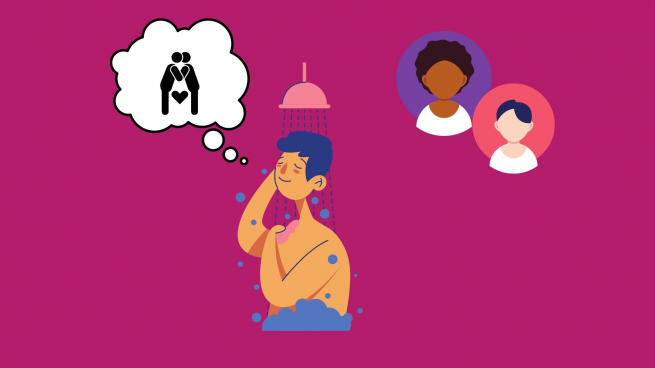
In this interview, sexual rights activist and researcher Susie Jolly interviews Ejiro Sharon Okotie, development professional in gender, social inclusion and disability rights. Ejiro shares her trailblazing advocacy work supporting disabled women in Nigeria with their pleasure and sexual expression, and why the need for societal recognition of their sexual rights is more important than ever before.
Susie: Tell us more about your research and advocacy work. What is it all about and what was the motivation behind this work in the first place?
Ejiro: In 2017-2018, while I was running training for disabled people in Nigeria on sexual and reproductive health and rights, one of the participants who had a Spinal Cord Injury shared, “After my accident, my biggest worry was if I still could have sex, less so my injury. However, I was too ashamed to ask the doctors and lived with that anguish for four months”.
Another participant asked “At what point does masturbation become unhealthy?” Pleasurable activities like masturbation had been demonised and disabled people who engaged in it, were regarded as corrupt, bad, spoilt etc.
Meeting such project beneficiaries and hearing their stories made me realise how narrow our project had been and the huge gap that existed around the subject of sexuality and pleasure, especially as it related to disabled women. I realised this was a gap in the inclusive Sexual and Reproductive Health (SRH) project I had worked on (implemented through a collaboration between the Nigeria Association of the Blind (NAB) and the Journalists Against AIDS Nigeria (JAAIDS)).
I became curious to delve deeper into this area of research, to understand if exploring sexuality and pleasure could contribute to the empowerment of disabled women in Nigeria. My advocacy seeks to enable healthy expression of sexuality and pleasure for disabled women, and societal recognition of the need for their ability to exercise their sexual rights.
Susie: What are you keen to highlight about the lived experience of disabled women in Nigeria?
Ejiro: Being a disabled woman myself, a common phrase I heard when I first began working in development was “disabled women get sex by chance and not by choice”. I want to highlight the fact that the narrative of disabled women only having negative experiences of sexuality such as rape, sexual abuse or assault is not the whole story. Disabled women also have positive, healthy romantic and sexual relationships and experiences, and possess agency in exercising their sexual rights. This was very evident in a documentary we produced as an offshoot from the research.
Susie: How are you seeing prejudice and ableism affect disabled women in Nigeria when it comes to their sexual health and sexual expression?
Ejiro: In Nigeria, as in many other parts of the world, only a complete and functioning body is assumed to allow sexual expression or enjoyment of sexual rights and sexual health. The general perception is that disabled women do not, or should not, have sexual needs or desires, require sexual health information/services or even think about expressing their sexuality.
These ideas typically come from the immediate families of these disabled women, and extend into society. This lack of recognition of the sexuality and sexual rights of disabled women continues to disempower them, and make them more vulnerable to sexual and gender-based violence (SGBV) and ill-health.
Susie: What changes would you like to see happen to better support disabled Nigerian women with their sexual health and sexual expression?
Ejiro: A key change must be intentionality from parents, care-givers and broader society in Nigeria on effectively engaging disabled women on their sexual health, providing avenues for healthy conversations around their sexuality, supporting their efforts at a healthy expression of their sexuality and sexual rights, and providing safe spaces for disabled women to share positive experiences and support other disabled women who are survivors of SGBV or other violations of their sexual rights.
We need a more responsive, sensitive, and proactive Nigerian population (families, community members, duty bearers) to foster an inclusive environment for disabled women as it relates to their sexual health and sexual rights.
Susie: Tell us more about the organisation you are running for disabled and youth.
Ejiro: The Hope Inspired Foundation for Women and Youth with disabilities (HIFWYD), is a woman-led organisation, founded on 27th February 2015, and registered as an Organisation of Persons with Disabilities in Nigeria. The Foundation was established to empower and amplify the voices of women and youth with disabilities, with a mission committed to promoting and protecting rights and inclusive development through advocacy, capacity-building, economic empowerment/livelihood support, and public engagement.
HIFWYD envisions a society where everyone, regardless of disability or any circumstances, can realise their potential and live their dreams. HIFWYD has implemented several projects on entrepreneurship development for disabled women, as well as life-skills programs for disabled girls.
More recently we have undertaken several projects to improve access to inclusive, comprehensive sexuality education, especially for disabled women/girls in rural communities, as well as building their capacities as self-advocates to realise their rights through better implementation of Disability laws in Nigeria. HIFWYD has been supported by several donor partners with the most recent being the Disability Rights Fund (DRF/DRAF) and World Connect.
About Ejiro
Ejiro Sharon Okotie, is a Development Professional focusing on Gender, Social Inclusion, Disability Rights and most recently, Sexuality. Currently she works as the Gender and Social Inclusion Specialist for the USAID State Accountability Transparency and Effectiveness (State2State) Activity, implemented by DAI Nigeria. She is a Chevening Alumnus with a Masters in Development Studies from the Institute of Development Studies (IDS) at the University of Sussex. As the Founder of the Hope Inspired Foundation for Women and Youth with Disabilities (HIFWYD), a DPO in Nigeria, Ejiro works to empower women and youths with Disabilities for productive living and equal participation in society.
For more information about The Inspired Foundation, check out their Instagram.
About Susie
Susie Jolly is a sexual rights activist and researcher, and Honorary Associate at the Institute of Development Studies. She previously led the Ford Foundation China portfolio on sexuality education, with a 2 million US dollar annual budget, developing the strategy ‘the marginalised educate the mainstream’. This included supporting disabled women and young people to organise and advocate, supporting disabled activists to work on sexuality, and sexuality educators to learn from disabled people’s organisations on how to become more inclusive.