Tag

Enhance The UK

Lonely In A Crowded Room #DisabilityAndLoneliness

By Undressing Disability

Our latest awareness campaign highlights that loneliness is a major issue for many disabled people.

What may not be obvious to everyone is that even in a room of friends and family, people can still feel isolated and alone.

Jennie Williams, CEO of Enhance The UK writes about everyday situations that can be isolating when you are Deaf or have a hearing impairment.
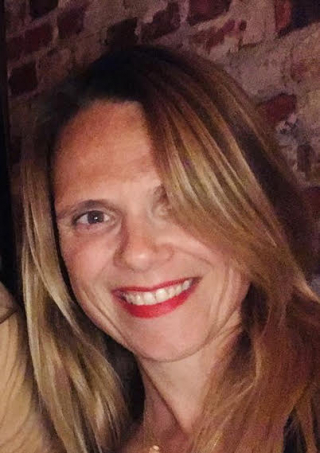
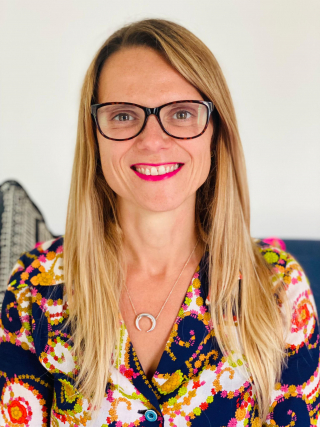
Jennie has long caramel coloured hair, brown eyes and wears red lipstick

When you’re Deaf or have a hearing impairment like me, there are some situations that can feel daunting and a bit stressful. Family gatherings and social get togethers being a prime example.

You see, in a noisy restaurant with background music, or even at home with lots of people talking at once, it can be really difficult to engage in conversation.

Picture the scene. Auntie Mary is sitting to my left reminiscing about when she met Uncle Freddie. My cousin John is chatting across the table to my sister about his new job. My daughter is tugging at my sleeve with a question and the dog is barking in the background. As a hearing person you might find this experience loud and distracting. Imagine how that feels when you’re trying to tune in to one voice at a time.

The thing that most people don’t grasp is that when a D/deaf person puts on their hearing aid or cochlear implant it’s not like wearing a pair of glasses. There isn’t sudden clarity. My hearing aids pick up ALL of the sounds around me whether I want them to or not. It takes time for my brain to adapt and work out sounds and that can be very tiring. Add into this reality the challenge of trying to lipread someone with a big bushy beard, or poor lighting and it’s completely exhausting.

What’s important to remember is that Communication is a 50-50 thing. We’ve all got a part to play. It shouldn’t just be the deaf person, always trying to ‘hear’ everything that’s being said. The statistics show that 1 in 6 people in the UK have a hearing impairment so it’s highly likely someone you know can relate to feeling excluded from the conversation. This barrier can lead to a disconnect and that’s where loneliness kicks in.

So what can people do to make social gatherings more accessible?

Well if you’re a hearing person you could start by asking what a D/deaf person’s access needs are. What would make the environment more comfortable and accessible? Examples are:

  1. Turning down background music
  2. Asking the restaurant for a quiet table
  3. Asking where the best place for you to sit is, so they can lip read you

If you’re the one with the hearing impairment then you could consider educating people by being open about what your own access needs are. Hearing loss is nothing to be ashamed or embarrassed about. It happens to the best of us, myself included, and I’ve found being honest about it helpful.

If a hearing person suggests you should wear a hearing aid because it would make life easier for THEM to be able to communicate with you, that’s not the reason you should wear one. It’s a decision only you can make if and when you’re ready to.

Stay Connected

Follow our disability and loneliness campaign by searching the hashtag #DisabilityAndLoneliness. Join us on twitter @ETUKUndressing and on Instagram @UndressingDisability.
Combatting Loneliness – Helpful Links

By Undressing Disability

If you’re following our Disability and Loneliness campaign, you’ll have seen our survey results which highlighted that:

  • 47% of those surveyed said they felt lonely frequently
  • 12% stated they always experienced loneliness
  • Only 20% had spoken with their GP, caregiver or therapist in relation to the impact loneliness was having on their wellbeing
  •  48% turning to friends and family for support.
  •  9.7% feel they had no-one to help and 41% replied ‘Maybe’ when asked if they had a support network to turn to
  • 38% believed that disabled people are the group that loneliness impacts the most
  • 32% believing that it was the over 50’s demographic most likely to feel lonely

Throughout our campaign we will add useful links and resources to this page. In the meantime follow the hashtag #DisabilityAndLoneliness and visit the links below.

The Love Lounge

If you’re feeling lonely following a relationship breakdown or would like to start dating but are worried about rejection or disclosing your disability read the articles below. You can also write into our Love Lounge for advice from our resident sexperts.

Disability, Sex, Virginity and Safety 

Finding the Confidence to Date Again

Dating and Living with Friedreich’s Ataxia 

Why do attraction sparks never go anywhere for me?

How to Become a More Confident Dater

Rejection, Dating and Disclosing Disability

Professional Support and Helplines

You might also find it helpful to visit the following websites or to call their helpline if you need someone to talk to. Please don’t struggle alone, there is help available and it’s always good to talk.

CALM – Campaign Against Living Miserably

MIND – The Mental Health Charity 

SAMARITANS 

WAVELENGTH – Fighting Loneliness

MARMALADE TRUST – Loneliness Charity 

UNDRESSING DISABILITY HUB – our free hub is a network for anyone interested in, or working in the field of sex and disability. Searching through the members there will highlight counsellors and therapists should you want to find professional help.

Stay Connected

Follow #DisabilityAndLoneliness hashtag and join the discussion around our campaign on twitter @ETUKUndressing and on Instagram @UndressingDisability.
Disability And Loneliness – Survey & Campaign By Enhance The UK

By Undressing Disability

It’s time to talk openly about loneliness and disability and the impact it has on an individual’s emotional, mental, and physical wellbeing.


In the last 20 months our charity, Enhance The UK has seen a significant spike in the volume of emails we receive from disabled people about how lonely and cut off from society they feel. Concerned by this worrying trend we knew it was time for action and our loneliness campaign aims to share insight, information, and potential solutions for disabled people who feel isolated and alone.

 Survey and Statistics

We invited disabled people living in the UK to complete a survey asking about their personal experience of loneliness. The results highlighted that of those surveyed

  •   47% said they felt lonely frequently and 12% stated they always experienced loneliness
  •   20% had spoken with their GP, caregiver or therapist in relation to the impact loneliness was having on their wellbeing, with 48% turning to friends and family for support.
  •   9.7% feel they had no-one to help and 41% replied ‘Maybe’ when asked if they had a support network to turn to
  •   38% believe that disabled people are the group that loneliness impacts the most, followed by 32% thinking it was the over 50’s demographic most likely to feel lonely.

When asked what could be done to help disabled people feel less alone the results showed that:

  •   45% believed that the need for personal contact, a hug or intimacy would be hugely beneficial
  •   38% recommended 1 to 1 time with a friend
  •   6% opted for attending organised group events with comments being the importance of a connection to the disabled community playing a positive role in feeling less isolated.

Campaign Aims

Our campaign aims to:

  •       Highlight what the different types of loneliness are
  •   Dispel myths about whom loneliness affects
  •   Have open and frank conversations about how loneliness can affect disabled people
  •   Offer valuable insight and potential solutions to help individuals feel more connected and less alone
  •       Signpost people to organisations who can help

Valuable Insight and Information

Over the coming weeks we’ll be sharing information to help disabled people (and their family and carers) find potential solutions to loneliness. Our team members, who all have a disability themselves, have researched and created the following insights:

  1.     Top Tips – what you can do to feel less isolated and more connected
  2.     Personal Stories – what it’s like to date when you have a carer
  3.     Where to find support – we’ll be signposting you to specialist organisations
  4.     Loneliness and Paranoia – A guest post by Charlotte Faragher
  5.     Undressing Disability Podcast –  Kelly Gordon and Jennie Williams discuss loneliness and dating
  6.     A resource about how to spot loneliness and tips for helping


Follow the Campaign

Follow our campaign by searching the hashtag #DisabilityAndLoneliness and join the conversation by connecting with us on Twitter @ETUKUndressing and on Instagram @UndressingDisability

Disability, Sexual Expression and the Privilege of Privacy

By Disability, Undressing Disability

Let’s take a look at the realities many disabled people face around sexual expression and intimate relationships.

This article is written by Zoe Lloyd, a counsellor and disabled woman who has live-in PA’s. It is intended to provide insight for:

  • care home workers
  • carers and personal assistants
  • occupational therapists and physiotherapists
  • those working and supporting disabled people to enjoy every aspect of a fulfilling adult life.

Question

To give an insight, let’s start with a few questions to help set the scene.

  •  What do you do to prepare for a date or a naughty weekend away?
  •  Do you need help with intimate personal grooming such as hair removal or applying body lotion to make you feel and look your best?
  • Who do you tell when you’re planning to have sex?
  • Who helps you to open the packaging on your new sexy lingerie or sex toy?

Privacy

We’re guessing many of you get ready for a hot date in private and don’t have to tell anyone else what you’re up to. Some of us will not have that freedom of privacy and will rely on a carer/PA to help us get ready for some intimate fun.
This could be requiring help to shave ‘down there’ or packing sexy underwear and sex toys into a case…. someone knows what your plans are!
Many disabled people live their lives in this way, without the privilege of privacy.

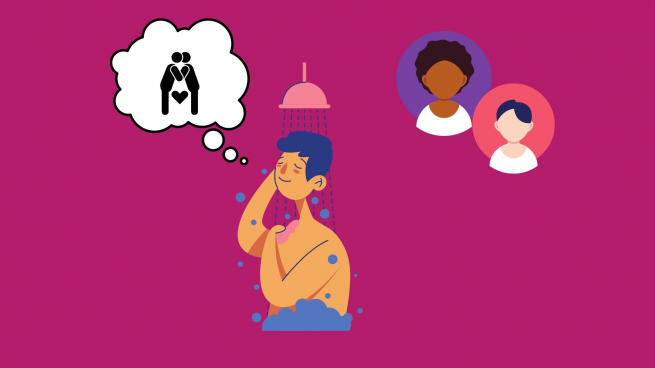
a graphic of a male showering with two carers in the background and thought bubble that reads SEX coming from his head

Embarrassment and Anxiety

All of these scenarios where someone is left feeling quite exposed by their lack of privacy, can lead to a constant underlying hum of embarrassment and anxiety.

No matter how much you may laugh it off or pretend you’re confident, having no privacy affects you.

Other people don’t need to have someone involved in these processes unless they choose to share. That’s the key – our lack of choice. If we need to pack a case for a sexy weekend, and can’t physically do it ourselves, then someone else will always know what you’re taking and what you’re planning. Therefore, we either deal with that, or we would have to deny the sexual part of ourselves forever. All just to save some embarrassment. Disabled sexuality should not be a taboo topic, whether that be in residential care homes, in PA/client relationships, or wider society.

Disclosure to a PA/Carer

Another point to consider is which carer/PA would you feel comfortable involving in this intimate side of your life? Disabled people can have several carers all of whom come with their own personal set of beliefs and embarrassment levels which can cause more barriers.

Imagine planning your sex life around the days a specific carer –the most approachable one– is working? This is a perfect example of the lack of spontaneity many disabled people face. It’s great when you’ve created a relationship with your carer where you feel happy to disclose these details. However many people don’t get that luxury.

Plus there’s having the confidence in yourself to ‘own’ your sexuality and not be concerned about someone else knowing your private life. Finding this secure place within yourself can be a lengthy process. Yes, you’ll see Instagram influencers who appear very comfortable with their sexuality, naturally that’s why they’re in the public eye! They provide a voice for those without the confidence. Unfortunately many people feel trapped,  still too ashamed to share their sexual desires with their carer. Resulting in their carer not knowing how to help facilitate access to their wishes.

Starting the Conversation

How can carers and care giving professionals improve this situation?

  1. Tell your client know you are open to having this kind of conversation. Take the awkwardness away before it gets to that point. For example you could say, ‘I’m here to support you in whatever way I can. I’m happy to talk or help you with anything – even if it’s sex stuff! I know it can be embarrassing, so I’m letting you know you don’t have to feel embarrassed with me’.
  2. If it feels appropriate, share a story of your own, so they don’t feel there’s such an imbalance of having privacy exposed.
  3. Depending on your work environment, have literature or symbols (say Pride colours for example) visible. This way the client knows that the PA/Carer or organisation is a safe setting of acceptance. These items can be used as a prompt for a conversation starter.
  4. Judging each situation differently. You may be able to suggest, in a light-hearted manner, ‘oh are you going to take some sexy underwear?’, or ‘bet you’re going to get all spruced up – want me to help?’ This breaks the barrier for them and the client can then say yes or no more easily.


Sexual Expression Training

Enhance The UK runs two fantastic training courses on sexual expression, the first of their kind in the UK. The courses are designed to support residential care home workers and those working in the field to better understand disability sexuality and an individual’s right to sexual expression. Learn more via the links below or get in touch to enquire about available dates.

Disability and Sexual Expression Training

Sexuality, Sexual Expression and Relationships Training for Care Providers


News: Enhance The UK launch Ground Breaking Disability And Sexual Expression Training

By Disability, Undressing Disability

In what is believed to be a first for the UK, disability awareness charity Enhance The UK has developed a new training programme on the topic of Disability and Sexual Expression.

Aimed at professionals working in caregiving roles such as occupational therapists, care home staff and physiotherapists the course tackles the subject of disability and sexual expression.

Jennie Williams, CEO of Enhance The UK (ETUK) said “Our training programme is for occupational therapists, physios, sex educators, teachers and anyone who works with disabled people. It is designed to build confidence and develop communication skills so that the current barriers around sex and disability can be removed and open conversations about sexual expression can take place with a person in their care.”

Jennie wears a patterned swirly dress, has long blonde hair and dark framed glasses with pink lipstick
ETUK highlight that the training is necessary because sex and disability is still a taboo subject, and even in a medical environment there are barriers due to a professional’s personal level of embarrassment or awkwardness around the topic.

The following scenario puts this in context. A man in his 30s has been in a traffic accident and has acquired a spinal cord injury. His life has changed dramatically and whilst he’s receiving support for his physical and mental health, he’s unsure who to ask about his sex life. A lack of intimacy is causing issues in his marriage and impacting his self esteem.

CEO Jennie Williams explains “Everyone has a right to sexual expression and it’s wrong to assume that disabled people aren’t sexual beings with the same need for intimacy, exploration and expression. Yet in a professional capacity it can be a tricky subject to approach when your employer has no policy in place, or you feel uncomfortable or embarrassed chatting about sexual wellbeing with a patient. Our training course will build confidence and develop communication skills thus enabling open conversations which support the needs of both patients and caregivers. ”

Jennie adds “We have delivered this unique training course to an NHS Trust and to care home staff and the feedback is extremely positive. It’s obvious there is a need for this course for professionals. Our goal as a charity is to change the way society views disability and to raise standards in sexual health and sexual awareness for disabled people. We are delighted to be able to support both professionals and the disabled community with our work.”

Learn more about our Disability and Sexual Expression training by contacting us directly. You can also watch this video and learn the details of the 3.5hours course.


Disability Inclusive Sex Education

By Sex & disability, Undressing Disability

Tips for teachers to create disability inclusive sex education.

When delivering sex education, it is important that everyone can access the session equally and feel that the content speaks to them personally. All sessions should be inclusive, regardless of whether it is known that there is a disabled person or child partaking in the lesson. Here are a few factors to consider to ensure lessons are as inclusive as possible.

Representation

It is crucial that each student feels represented by the content. Often, resources show diversity in terms of race, age, weight, and gender but disabled children can often feel left out. They do not see anyone that is like them included in the sex education material. This feeds into the stigma around sex and disability. With a subtle change of focus in education, showing a disabled person in the images for example, the recognition that disabled people want and indeed do have sex and intimate relationships can become the standard view in our society.

This representation can be valuable for both sides:

• the disabled person to no longer feel that sex and relationship probably aren’t for them, as it’s not talked about with their situation being characterised.
• Other pupils seeing inclusive sex education can help stop perpetuating the notion that they couldn’t or shouldn’t have a relationship with a disabled person.

Accessible Resources

Not everyone will be able to access the lesson material in the same way. When planning your sessions ensure you have differentiated resources. There are some examples of adjustments you can implement:
• Ensure all videos are subtitled. This is useful practice at any time and for anyone, not just if you know of a deaf/hard of hearing pupil.
• Interactive games/exercises – think about whether these are accessible. Sometimes a small adjustment like a large dice or putting people in groups so they can work together and support each other can make a big difference.
• Providing large print worksheets
These should all be offered as standard, in any lesson.

Be Pupil-Led

You will have worked hard on your lesson plan, but you’ll be writing from your frame of reference. It is useful to be open to suggestions or concerns from pupils. Allow space for them to offer their thoughts and raise points that are meaningful for them. Then listen and respond to those points. It may not fit the direction of your lesson plan, but it could be what is needed by them and where the real learning could happen.

Range of Learning Styles

Ensure each session is delivered in a range of learning styles, so that each pupil gets a chance to learn in the way that works best for them.
Think about Visual, aural, verbal (reading/writing) and kinesthetic ways of learning and share the material in:
• Videos/Images
• Group Discussion
• Activities
If an activity is tricky for someone to do, then ask if there’s a way they think they may like to try it, or check if they’re ok watching someone else do it. For example, someone with poor dexterity may struggle with putting a condom on the demonstrator. They can still learn the right way by watching a peer do it. Also, this could develop into a discussion point for how people would overcome feeling awkward doing this for the first time with a partner if someone struggled.
There is always learning to be had from every situation if the session allows the freedom for discussion.
If every lesson is delivered catering for the different learning styles, then you are already halfway there to being fully inclusive!

Learn More

Keen to make your sex and relationships education lessons inclusive? Then check out our Disability and Sexual Expression training

Contact us directly or you can also follow our Undressing Disability campaign on Instagram and twitter.  #UndressingDisability


#CervicalScreeningRedTape campaign

By Disability, Undressing Disability

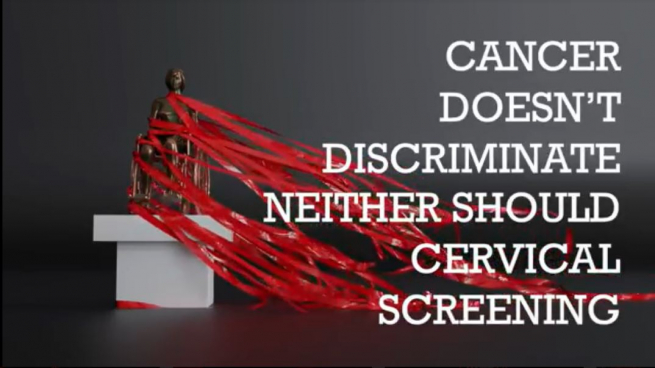
Our #CervicalScreeningRedTape campaign aims to highlight the fact that many disabled women are finding it difficult to access cervical screening.

The Issues

Common barriers to accessing cervical screening are:

  • Disabled women not being offered a smear test as it is often assumed that they are not sexually active and are less likely to need a test.
  • Physical barriers such as a lack of non-adjustable beds in GP surgeries.
  • Fear. Due to a previously negative experience. Or a self-consciousness as their body may differ to what they believe medical staff are used to seeing.
  • Expense. Often disabled women have to travel further than their local surgery to attend an accessible clinic.

Potential Solutions

What can be done to improve access to smear tests for disabled women? Below are four potential solutions.

  1. Recognise that disabled adults can enjoy an active sex life and offer as standard cervical screening and sexual health tests.
  2. Ask what an individual’s needs are. If your surgery does not have accessible facilities that meet the needs of a disabled patient, then have a procedure in place where you can offer an alternative location. This saves both you and the disabled woman a lot of time and effort phoning around. Read Emily’s blog for a real-life example. 
  3. Realise that standard procedures won’t work for everyone. For example, due to physicality it may be easier for a woman to have a smear lying on her side rather than on her back. We are all different, and often know our bodies well. So if it’s feasible to do things differently, be willing to give it a try.
  4. Most women are apprehensive about having a smear test but for many disabled women there is an extra layer of nervousness. Reassurance prior to the test being booked can help alleviate this fear.

We fully appreciate the challenges our NHS is facing during the pandemic and know that wait times may be longer than usual, however we hope our solutions can become best practice.

Useful Resources

Undressing Disability Podcast

Dr Larisa Corda OBGYN and presenter Sam Renke are guests on Episode 2 of our Undressing Disability podcast. Joined by our CEO Jennie Williams they share personal experiences of the issues around accessing cervical screening raised in this #CervicalScreeningRedTape campaign.


Blog

Emily wrote about her experience as a wheelchair user of trying to access her first ever smear test in this blog article.

The Undressing Disability Hub

Last year we launched our Undressing Disability Hub which is free to join. It is full of free resources on topics relating to sex and disability. Members include professionals working in the fields of medicine, psychology, and care homes. As well as sex educators and those searching for a safe network to learn and share information on the topic of sex and disability.

Sign up for free today.

Worried about Cervical Screening?

Jo’s Cervical Cancer Trust is a charity which provides information and support on the topic of cervical cancer. Their website https://www.jostrust.org.uk/ is full of valuable insight and they do an incredible job raising awareness and saving lives with their work.

#CervicalScreeningRedTape 

Stay Up To Date

Follow our campaign on social media on twitter @ETUKUndressing and Instagram @UndressingDisability. #CervicalScreeningRedTape


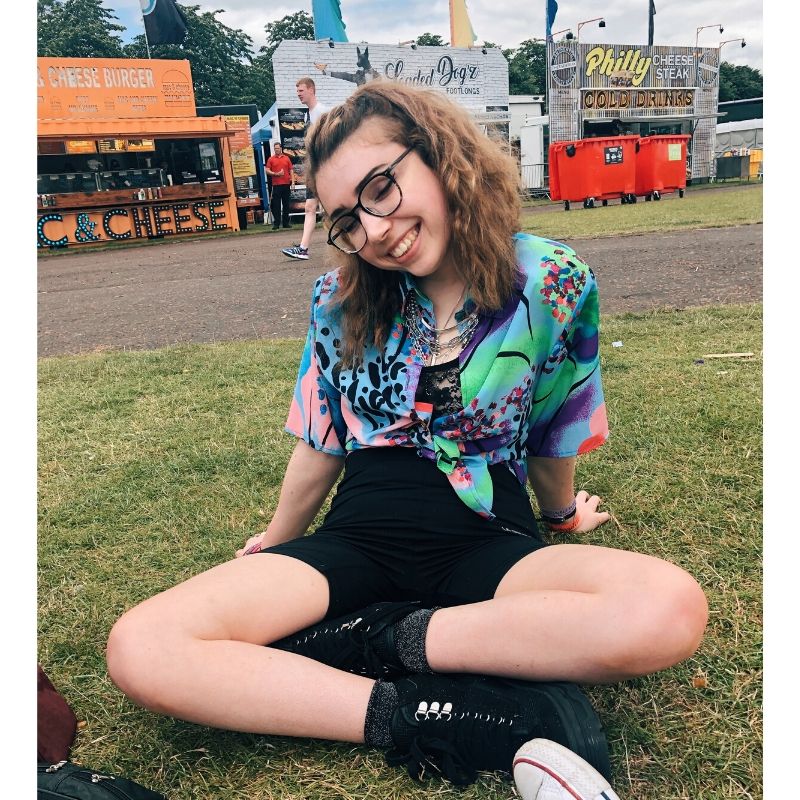
Georgia is sitting on the grass cross legged at a festival. She is wearing a pink,green and vibrant blue shirt with black shorts and boots. She is smiling and her brown shoulder length hair is wavy.

Life as a young person with a disability

By Disability, Real Life Stories

A guest blog by Georgia Hart, a 22 year old from the North of England. ‘When someone asks a disabled person how they are, they want to hear of positive developments, they want to hear how they are overcoming adversity and what they are doing to ‘fight’ their condition. This sounds like a minor misconception, but it is one that has taken a toll on my mental health.’

Read More
Top