
Tag

disabled dating

A close up of two gold wedding rings on a table

6 Top Tips to Make Your Wedding Accessible for Disabled and Neurodivergent Guests

By Sex & disability, The Love Lounge questions, Undressing Disability

There is a lot to plan when it comes to weddings, from cakes to catering to dresses and suits. Adding accessibility doesn’t have to be difficult, but it does have to include more than just ramps. 

Here are some top tips on how to make your big day accessible to everyone.

1. Start with Accessibility in Mind

When you are scouting venues, think about what access your guests may need and ask questions in advance. This could include things like:

  • Are there ramps, lifts and accessible bathrooms? That’s not just for outside the venue but inside too, so if somewhere has internal steps, ask if they offer alternative step-free access.
  • Are there accessible parking spaces near the entrance? Are there drop-off spaces nearby?
  • Working on seating arrangements doesn’t just mean not putting that auntie near that cousin, but also ensuring there is enough space for wheelchair users to sit comfortably, move, and see the ceremony or dinner table.

2. Communicate Early and Clearly

It’s a good idea to include a section on access requirements on your invites or wedding website. Be mindful to mention dietary requirements too, as that will shape the food you select. It’s not just about asking but also implementing the information you receive, too.  

If you are sending more information either with an invite or through a wedding website, then think about a section that gives information on step-free routes, quiet spaces, dietary information and timing for the day. All of this is very helpful for disabled and neurodivergent guests.

3. Create a Sensory-Friendly Environment

For neurodivergent guests, weddings can be overwhelming. Consider adding:

  • Quiet zones: Offer a calm room or outdoor space where guests can retreat from the noise and lights.
  • Lighting and sound: Avoid flashing lights or very loud music. Opt for adjustable lighting and let guests know in advance if there will be loud moments (like confetti cannons).

4. Catering and Dietary Needs

Dietary accommodations are a key part of accessibility. Ensure your caterer can handle:

  • Allergies (gluten-free, nut-free, etc.)
  • Religious or ethical diets (halal, kosher, vegan)
  • Conditions such as coeliac disease, which means not just gluten but also oats. Food needs to be coeliac safe and prepared in an area that is sanitised to avoid cross-contamination.

5. Accessible Entertainment and Activities

Think about how guests will engage with your entertainment. This means you need to think about the flow of the room so that there is enough space for wheelchair users to navigate the space, and use entertainment such as photobooths. 

Be mindful of choosing activities that are loud (balloon popping, for example) that neurodivergent people may struggle with or those that require standing for long periods of time. Make sure that you have seating available for anyone who needs it – especially after the dinner section of the evening is cleared away. 

Dancefloors will need to have some seating at the edges for people to rest. 

6. Ask, Don’t Assume

Every disabled person has different requirements – even those who have the exact same condition. If you know that you have a guest who may have requirements, it’s best to ask them what they may need rather than waiting for them to come to you. After all, sometimes people forget to reply to invites or emails!

It shows that you are being proactive and value their attendance at your wedding. It’s easier to incorporate accessibility from the start rather than trying to rectify any issues that arise later on. 

Want to read more blogs on disability? Why not visit our blog page to find more!

Pink and red paper heart in a chain

Love Lounge: Need advice on finding love after a stroke

By Sex & disability, The Love Lounge questions, Undressing Disability

The Question:

I had a stroke 5 years ago, in my 30s. I lost 80% of my left hemisphere and had to learn to walk and talk again.  I’m so lucky that I have regained my mobility and speech – I know others who have only lost a tiny part of their brain, but due to where the stroke was, have lost speech. 

My difficulty is that I can’t read or write. This makes daily life such a challenge – looking at timetables for buses, planning, meeting people, and I can no longer work.

My relationship broke down and I’d like to meet someone else but it’s so hard using dating apps when I can’t read and write. There’s no flow and everything takes ages to copy and paste for my phone to read it to me, so I think people will lose interest. Any ideas?

Jayden

The answer:

Hi,

Well done on your recovery for a start! 

Are you using the accessibility features on your smartphone? iPhone has a built-in screen reader called VoiceOver, and the Android equivalent is called TalkBack.  These will speak back to you what is on the screen and give auditory descriptions of screen elements, notifications and alerts. However, they definitely take a while to get used to navigating it. As your sight isn’t affected, a YouTube video tutorial might be beneficial!!

Another option is to use dating apps that allow you to send voice notes and videos – such as Hinge. This means you can be more free-flowing and show your personality as you are, rather than taking ages to send messages back and forth.

The other way is to go old school and meet people in person! Get involved in activities, etc, that you enjoy and meet people that way. They’ll have a common interest and see all elements of you, not the restricted version, battling with text messages! 

Best,

Zoe

Want to read more Love Lounge questions? Head to our blog post page to find more

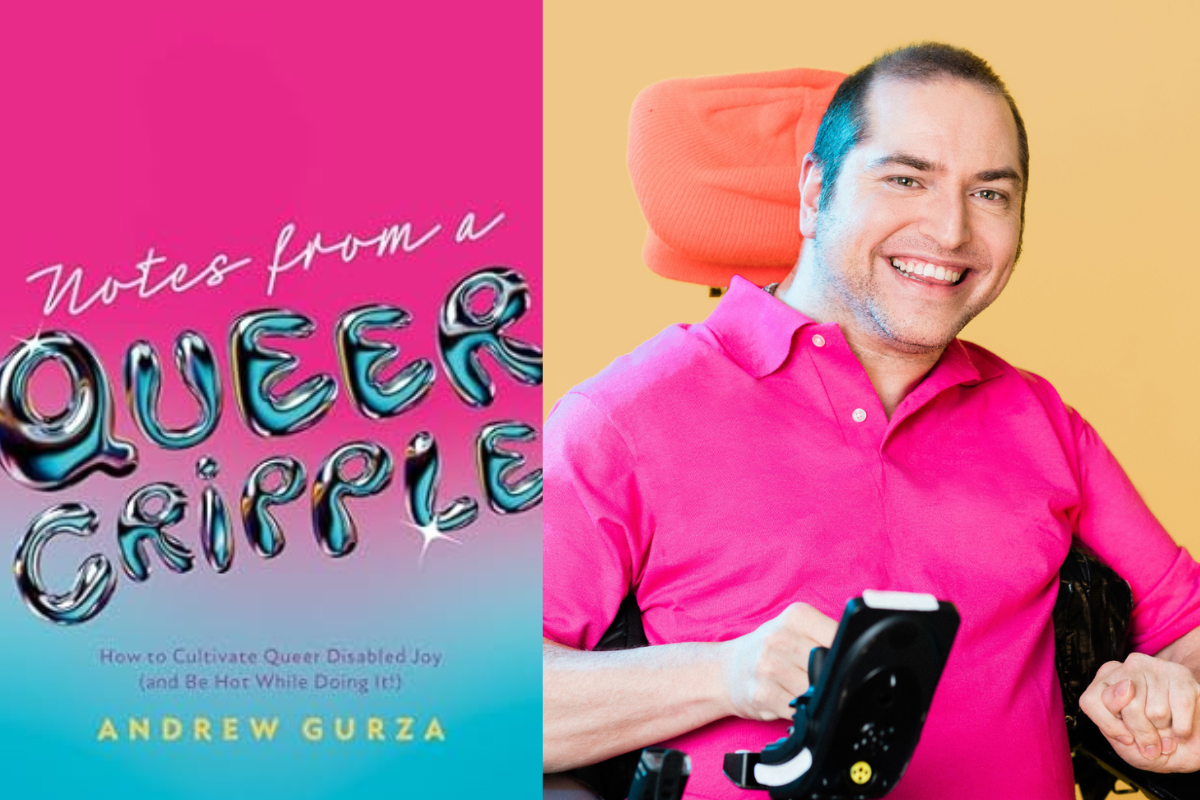
Split image. On the left is the book cover of “Notes from a Queer Cripple: How to Cultivate Queer Disabled Joy (and Be Hot While Doing It)” by Andrew Gurza. The title features shiny, metallic balloon-style text on a pink and blue gradient background. On the right is a smiling person wearing a bright pink shirt, seated in a power wheelchair with an orange headrest, against a soft yellow background. They are holding the wheelchair controls and looking directly at the camera.

Andrew Gurza….on his new book, online visibility and queer spaces

By Disability, Sex & disability, Undressing Disability

There is no better time to be following Andrew Gurza on Instagram than right now. His debut book, ‘Notes From A Queer Cripple: How to Cultivate Queer Disabled Joy (and Be Hot While Doing It!)‘ is due for release on April 26th through Jessica Kingsley Publishers and it is a joy to read. The book, much like Andrew’s Instagram is an unapologetic, open, honest account of queer disabled experiences and sexuality.

Andrew bounces from topics such as ableism to accessible spaces to the realities of coming out to carers. All this is in his trademark humour and relatable writing style.

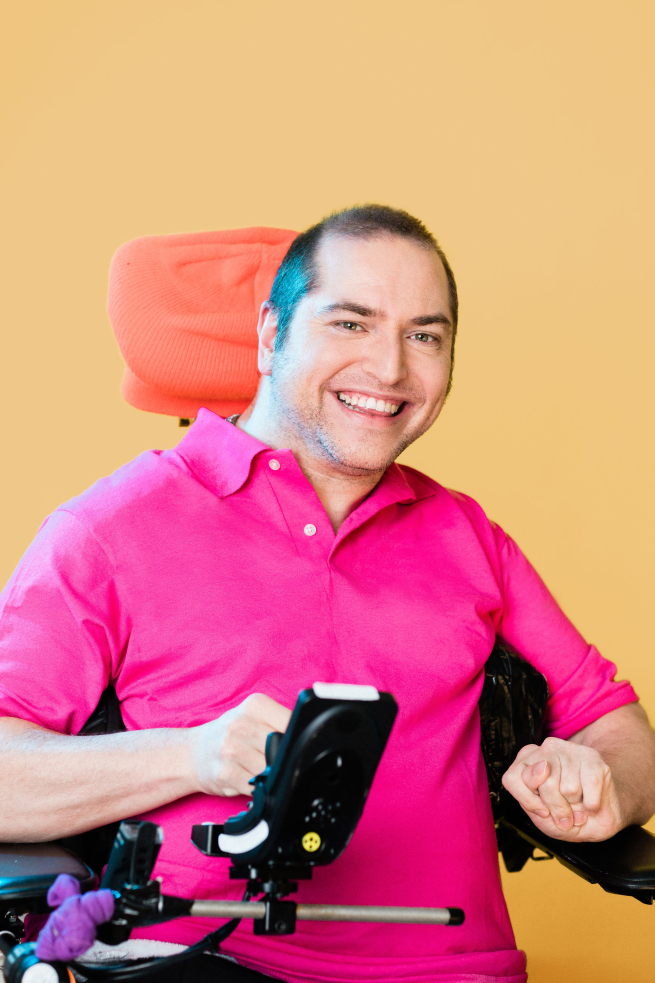
Andrew is a young white man sitting in a power chair. He has short brown hair and is smiling at the camera. He has a pink shirt which has two white buttons at the neck. There is a coral-coloured cushion behind his head. He is looks happy and is smiling

We asked Andrew questions about his writing process and what inspired him to write such an important book.

What made you decide to write a book and how was the process?

Funnily enough, I had wanted to write this exact book for years before being approached about it by Jessica Kingsley Publishers.  One of their editorial staff found me through my tweets, and said that they’d love to see an outline for a book, if I would take a meeting.  That was back in 2022.  I signed the contract and then took about 2 years, and several meetings to actually write the book.  I needed a lot of reassurance and encouragement because I didn’t believe that what I was saying had any value.  Once I got in the groove of writing, it was pretty seamless, but unearthing some of those stories and accessing that vulnerability was hard. 

A blue box featuring four books by disabled authors. One of which is Andrew Gurza. It offers 20% off the books by using the code ENHANCE20 and free delivery over £40

Visit the Jessica Kingsley Publishers page to shop the book. Use code ENHANCE20 for 20% off.

How did you find being so open in the book about your sexual experiences and disability?

I have been talking about sex and disability and my experiences for almost 15 years, so I am pretty comfortable doing that.  I love talking about it because I think that it is just as important as talking about ramps, elevators and access, if not more.  While I was comfy doing it, there are some stories that even my family hasn’t heard, so knowing those stories would be out there has been nerve wracking, lol.  (Sorry, mom). 

Why are so many queer spaces so inaccessible for disabled people?

I was ready to write you a big, long, expansive answer but the truth is: ableism.  We have all this money in the queer community to donate to so many causes (and we should!) but for some reason (ableism) we can’t make a club actually accessible?  Come on.  Our attitudes around sex and disability need to change, and we need to address ableism in queer spaces first. 

How do you find being so visible online -do you find it a positive or negative experience? 

I’d be lying if I said it was easy to be disabled online as a public figure.  I am so grateful for all the visibility has brought me; a book, for one.  That said, I won’t lie, it has also been incredibly negative.  Some of the cruelest things I’ve heard have come from other disabled people.  So, I love the platforms that I have built, and I am always learning, growing and apologising when I misstep, but I am also learning to protect my peace.  I am so thankful when someone says they love my stuff, but I am also learning to be thankful when I am called out.  How can I do better?  That’s an important lesson that I am constantly asking myself. 

Your chapter on queerness and caregiving was powerful – what do you wish people knew about care and being queer/non-binary?

I wish that people understood that so many people with disabilities who intersect with queerness and disability who need care, may not be able to be 100% themselves by way of non-binary, gender non-conforming or trans identities, because they need care.  The care system is stuck in a binary place, and so many of us have to hide all of who we are, and that can be exhausting.  

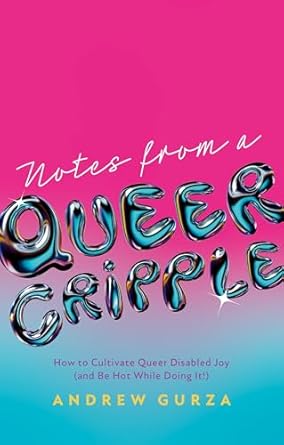
The blue and pink cover of Andrew's book: Notes From A Queer Cripple: How to Cultivate Queer Disabled Joy (and Be Hot While Doing It!)

What was one of the most powerful things you learned while writing the book?

I was constantly reminded that sex and disability are so taboo in 2025.  Every time I recounted one of the essays or sat down to write a new chapter, I realised that I had never seen anything like this in the world.  That realisation was both triumphantly exhilarating but also sad as f*ck.  I hope this book opens the floodgates for other queer cripples to tell their stories.

What advice would you give to other disabled queer people?

Talk about the hard stuff.  Don’t do what every other queer disabled cripple is doing.  Tell your story; I promise, we’ve heard nothing like it.  Fight for sexual rights and autonomy, they’re just as important as other forms of accessibility.  Be more disabled and f*ck the haters.

Visit the Jessica Kingsley Publishers page to shop the book. Use code ENHANCE20 for 20% off.

Want to read more blog posts? Why not visit our blog page

A lavender dial phone on a lavender wooden stool.

Simon Smalley on….life as a disabled gay man in the 1980s

By Disability, Sex & disability, Undressing Disability

We asked the author Simon Smalley to write about experiencing the gay scene as a disabled teenager in 1981. Simon is the author of ‘That boy of yours wants looking at,’ a memoir about growing up in Nottingham. He shares his experiences as LGBT+ History Month comes to an end, highlighting the importance of recognising stories like his all year around.

1981 was the International Year of Disabled Persons, and during the blazing summer, our sweating postman delivered a buff envelope. 

Inside it was a green certificate declaring that I was now officially registered disabled.*

This categorisation had been organised by a Job Centre employee who, with a self-congratulatory white grin, informed me that it would provide my liberation.

Frowning at his curious choice of words, I just had to ask.

“How?”

“As a registered disabled person, you can travel free on the city buses during off-peak times.”

Big deal. Okay, it would get me to the hospital for my grueling physiotherapy sessions five days each week, but it wouldn’t change how I hated my disability. My hatred was primarily due to the local doctor failing to recognise the dislocation of my right hip when I was fifteen. Instead, he’d attributed the cause of my painful, laborious limp to rheumatoid arthritis of the knee. My condition had deteriorated until the next year when an orthopaedic consultant made a correct diagnosis. Although I was immediately hospitalised for corrective surgery, irretrievable damage was already done.

The slip of green paper didn’t provide the liberation that I yearned for as an isolated, frustrated nineteen-year-old gay man. I wanted to meet others like me but faced many self-imposed restrictions about achieving this. I gradually retreated into my psychological shell, still scarred from the beatings administered to me by bullies at school because of my sexuality. Their ammunition was doubled when they added my disability as further justification for attacking me, and ultimately, this unbearable campaign resulted in my suicide attempt.

In my later teenage years, the glossy gay magazines I bought depicted handsome hunks grinning confidently, no doubt at ease with their gym-trim bodies. But none of the tanned Adonises had an atrophied leg four inches shorter than its counterpart, thus necessitating the wearing of an ugly, built-up orthopaedic boot to maintain balance. A copy of the American gay magazine, Blueboy, featured an article about being gay and disabled, but it held no answers for me. I didn’t hate being gay; I only hated that I had allowed my disability to dominate my life and prevent me from meeting other gay men.

My simmering resentment finally boiled over. I phoned Gay Switchboard and explained my predicament. The man on the phone informed me that there were informal twice-weekly social gatherings, which would be a gentle way to ease myself onto the scene. My determination was so overpowering that I went the next evening, yet upon my arrival, I baulked that I had to navigate two flights of steep, narrow stairs to attain my real liberation. Later that evening, I continued my journey by visiting a gay pub and club. Probably because of the secretive aspect of gay life that still prevailed in those days, the scene required venues that were unintentionally inaccessible to lower-body disabled patrons, thus precluding their participation. 

To exemplify this, the gay bar in The Hearty Goodfellow was in the cellar and was reached by a switch-back stairway. Whispers nightclub occupied the ground floor of an old factory, with stairs leading to the vibrant subterranean disco. What was to become my absolute favourite nightclub, Part Two, had a street-level disco and cruise area, but its bar was at the top of several wide steps, and the quieter lounge was up on the first floor. None of these venues contained disabled toilets and were not wheelchair friendly. 

Towards the end of the twentieth century, the accessibility to pubs and clubs for nightlife-loving disabled people improved, as did the attitudes of staff towards those customers, with new build venues factoring accessibility into the design.

Although there are improvements and positive awareness of the disabled population, old stigmas remain. I once challenged a man who felt it acceptable to point at me and loudly complain to his friends about disabled people being allowed into a gay club. I told him that although my disability was evident, there are disabilities that are not immediately noticeable, such as his.

His outrage was instant. “I haven’t got a disability.”

My retaliation was calm. “Yes, you have. Your ignorance and prejudice are your disability.”

As his friends laughed at him, I knew that I’d attained a kind of liberation not intended by my receiving the slip of green paper.

*Please note: This green card and registration are from the disabled person’s Employment Act of 1944. The Government set up a Disabled Persons Employment Register. It was known as the ‘green card scheme’ because certificates were given to disabled people on green cards. This got repealed when the disability discrimination act 1995 and subsequently the Equality Act 2010 came into place.

You can read more of Simon’s work by visiting his website. 

Want to read more of our blogs? Visit our blog page to get access to our articles.

Disability and friendship: How do I open up to my friends about what life is really like for me?

By The Love Lounge questions, Undressing Disability

The question:

I’m in my mid 60’s and am having more and more health problems of late.  The last few years have been difficult. But what I find most problematic is my circle of friends not really understanding what life is like for me.

I laugh a lot with people, so they think I’m ok and they don’t seem to remember about the issues I have told them. They either act surprised when I mention things or scoff as though it’s not really that bad.

I feel really misunderstood and don’t know how to change it. It’s affecting my confidence when I go out with them. 

Ali 

The Answer:

Hi Ali,

This is hard when you don’t feel understood and then, as a result, feel unsupported by your friends. I remember having similar feelings years ago and my therapist telling me that it’s also my responsibility to tell people what’s really going on. It’s unfair for them to be expected to know how it really is for you when you haven’t communicated everything to them.

Perhaps because you’re jokey and smiley they don’t see the whole picture, and then when you say something that feels serious to you, it doesn’t land as it should perhaps because of the delivery. If you find it hard to hold the space and be serious in telling your story, perhaps choose one friend who you are closer to and ask to have a chat away from the group. Tell them what’s going on for you, health-wise but also that you find it hard to be taken seriously by the group. You could also ask them to be your spokesperson and tell the rest of the group for you.

Hopefully this will prompt them to acknowledge your feelings more and I’m sure they will come and support you once they know how you’ve been feeling. Another option, if you can’t verbalise it well, is to write to them (as a group or to your closest friend) and speak freely that way.

I’m sure they love and support you and are just missing your cues – then the more you lose confidence the harder it is for you to make yourself heard.

Communicate well, be honest and the love will come back to you!

Warmly,

Zoe

Love this? Read more Love Lounge questions by visiting our blog page.


Virginity, Sex, Disability and Safety.

By Disability, The Love Lounge questions

The Question

Hello,

I tripped upon your organization while looking up sex and cerebral palsy on YouTube. I’m writing to you about losing my virginity, sex, disability and safety.

I am 51 years old, spastic quadriplegic born with cerebral palsy and use a power wheelchair for mobility. I’ve had a couple crushes when I was a teenager and in college but that was it. My parents never talked to me about sex other than the most basic education of how one becomes pregnant and the high school sex Ed.

I would like to experience sex before I die, but I also don’t believe in sex unless I am in a long-term relationship. I have been struggling for many years with several health challenges that have made my cerebral palsy worse and left me with unmanaged chronic pain. Due to my multiple health challenges and many family issues I do not have the ability or interest to go out to bars. I am also scared about my safety in dating a man. For example what do I do if I want to have a little privacy to be intimate but due to disability you can’t get away if it becomes more than you want and the other person doesn’t respect that. What do you do?

I’m really embarrassed to email you this but thankful that there is this platform. I feel like a freak!

G x


Our Answer

Hi G,

It took great courage for you to write into us and I’m so glad you reached out. I can feel your predicament here in being caught up in a bit of a moral dilemma. Also, you have some big practical issues which are making it more difficult for you.

It would be useful to know more about your family issues which you say are urgent and making it less likely for you to go out. Understanding this, I may be able to see how you could overcome this. Also, if you have any carer that works with you. As they may be able to facilitate you getting out socially and also make you feel safer if meeting someone.

Hearing your concerns, it seems to me that it comes down to a choice of what is your biggest priority now. Is it about losing your virginity? Or is it doing the act within a long-term relationship or marriage?

Currently, with the situation as you describe, it sounds like it will be difficult for you to be getting out and meeting someone. This can take a lot of  effort at the best of times, so with your family difficulties, meeting the right person could take even longer.  Are you willing to wait quite a while longer to lose your virginity within a loving relationship?

If you don’t want to wait, there’s the option of seeking out a sexual encounter, perhaps not in a relationship. This is where it would completely depend on how you feel going against your current beliefs about the parameters within which a sexual relationship should be conducted.  And if you feel you would be comfortable undertaking such an experience.

a graphic of a mobile phone with a person and lovehearts in white and the background is pink

In the UK a charity called TLC have sex workers who work with disabled clients. Exactly for the reasons you say. They guarantee safety and can offer a ‘boyfriend/girlfriend experience’ too. Here is the link to their website. https://tlc-trust.org.uk/

It may be that you could take it slow and steady rather than going full steam ahead on the first time.  There is a cost to this service and it’s quite expensive but the workers are trustworthy and experienced in working with disabled clients.

If this isn’t a consideration for you, maybe try internet dating to try and engage with someone, building a rapport before taking it further. Again, if you have a friend or a carer you can trust, they could go out with you the first time you meet your date. You mention your fear around someone wanting to go further than you want, and how do you stay safe. You’re right, we are more vulnerable as disabled daters and have to think of more options to keep safe.  I would suggest a friend or carer being in the same location as you, but not sitting near you to allow you some privacy and normality for you and your date. If you needed help,  your friend can keep an eye on things and it would be easy to catch their attention. They can then ‘rescue’ you from any awkward situation.

With internet dating there’s another dilemma we all face. Do we declare our disability openly and attract those who are open to dating someone disabled? Or don’t declare it, attract more people, get talking to some people first, then drop the disabled bomb?!

The world of dating and disability can be a minefield. But it can also be fun. Losing your virginity is an important human right and feeling stopped from doing so is deeply frustrating.  Ultimately, it’s your choice with how you wish to go about it.  I just hope your current living situation allows you to make a free choice. It is your body and your life after all. Do what feels right for you.

Best regards,

Zoe

Keep up to date with all Love Lounge chat and our campaigns by connecting with us on twitter @ETUKUndressing or on Instagram @UndressingDisability  

If you’d like to get our experts advice with your own dilemma feel free to get in touch. 


Next question

Partner Hates My Vibrator

By The Love Lounge questions

The Question

Hi Love Lounge,

My partner hates my vibrator and well, I love it and don’t wanna to give it up. I also don’t wanna give up my boyfriend as he’s kind and funny and genuinely a good guy. I have limited mobility in my fingers and have always used vibrators, they hit the spot every time.

I’d never really mentioned it to my boyfriend, but he found one in the bedside drawer and was very annoyed about it. He says I shouldn’t need it now that I’ve got him and stropped off in the huff.  He’s usually pretty laid back, so I laughed thinking he was joking but no, deadly serious.

He isn’t a talker and I’m struggling to understand the issue here or how to approach it with him. Can you help me out?

Thanks, Lisa

(Names have been changed for anonymity and we send a private answer prior to publishing here on the blog.)

Our Answer

Hi Lisa,

Thank you for getting in touch with us. First up, you are definitely not alone! ‘My partner hates my vibrator’ are words we hear regularly at the Love Lounge.

The main reason for this is that a partner can feel inadequate or jealous if you are able to orgasm with a toy easier than you can with them. They might think that you prefer the toy to them. The size of vibrator you use could also make them feel self-conscious about how they physically compare.

The first thing I would suggest is to try and talk to your partner about it. Explain why you like using a vibrator but reassure him that it is not a replacement for him. Explain that you use a vibrator because of your mobility issues and that it makes masturbation easier and more pleasurable.

The next step then could be to introduce sex toys when you are having sex. For example using your vibrator whilst your partner watches. The other option is to invite your partner to use it on you which may help him feel more involved and less threatened by it.

Couples Toys

You could also try a couples’ toy. Here are a few examples of products that you could use together.

The Hot Octopuss Atom Cock Ring is very powerful cock ring and enhances pleasure for both partners.

The Satisfyer Double Joy is a great product that can be used whilst having sex. It can also be used for Solo Play with your partner controlling it using a Smart Phone App.

You could also buy him his own Sex Toy that he can either use on his own or you could use on him.

A good product to start with would be the Tenga Egg Masturbator. The super stretch material gives the user a different sensation when masturbating. There is a wide range of different textures available but this one has little hearts embossed on it.

Another product is the Fleshlight Stamina Unit which is a great Sex Toy for someone with a penis.

Stay Connected.

If you have a dating dilemma or question that relates to sex and disability get in touch. Follow us on twitter @ETUKUndressing and on Instagram @UndressingDisability. You can also join our Undressing Disability Hub for free. It’s a friendly network of experts, researchers and people who have an interest in learning more about sex and disability. There’s free resources to download too.


Next question

Disability and Male Masturbation Toys

By The Love Lounge questions

The Question

Hello.

Do you have any suggestions to help with my disability and male masturbation? My girlfriend is awesome but has a much lower sex drive than me. I’ve always LOVED to masturbate but have no use of my hands due to searing pain, therefore, I cant touch myself. It is driving me mad honestly! And I’ve been unable to ejaculate either since a SCI (Spinal Chord Injury) nearly 3 years ago. I have female carers 24/7. Any tips please?

Thanks
John.

Our Answer

Thanks for contacting us John. I have given your question about disability and male masturbation toys a bit of thought. There are few different male masturbation products that will hopefully give you a pleasurable experience and help you to reach orgasm on your own.

The products I have listed below do not need a lot of hand dexterity. Here is some information about them and links to where you can purchase.

Male Masturbation Products

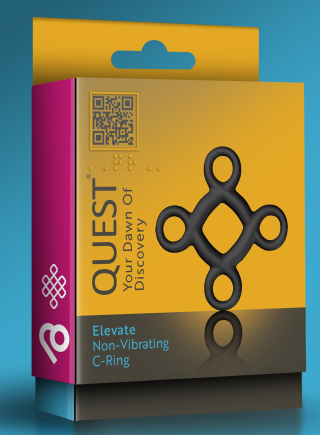
  • The Quest range of products has been developed by Enhance the UK and leading sex toy manufacturer Rocks Off. It features two masturbators for people with a penis. Elevate is a stretchy cock ring which can be used over the shaft or fingers while accommodating all body types to maximise sensations.


  • Quest also features the Discover wands which can be used in multiple different ways including as a penis stroker thanks to one of the detachable heads.
  • A boxed "Elevate" sex toy from the quest range. The box is orange, purple and blue, and the sex toy is displayed on the front.The Hot Octopuss Pulse range of products were designed for people with SCIs’ in mind to help them reach orgasm and ejaculate. The Design of the Pulse toys even work if you do not have an erection. They require no use of hands once the toy is in place and turned on. Some of the Pulse models come with remote controls which make it even easier to use.
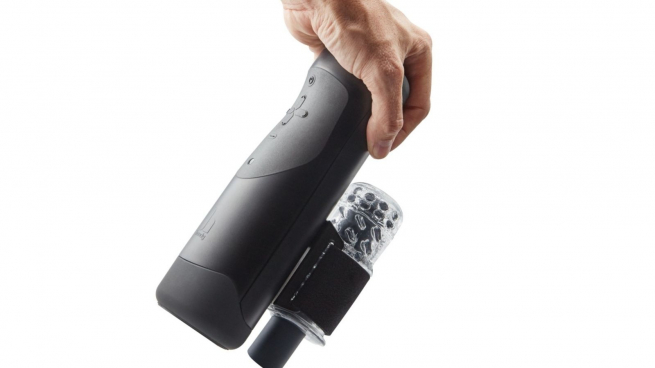
 

  • Another option is the Suck O-Mat 2 Sucking machine. Once the penis is in the sleeve it gives hands free pleasure. It can be controlled by remote control so can also be controlled by your partner as well. It is mains powered which means it is powerful, producing up to 200 suction impulses a minute.


  • The Handy is marketed as the ultimate Hand Job machine which is another powerful mains powered Masturbator. The Handy comes with a dotted sleeve but can also be attached to other sleeves. It can also be controlled over the internet and also synchronised to some of the videos on the website. The handy is also compatible with a VR Headset.

Disability and male masturbation - the Handy

  • There are also products like the Ferticare 2.0 which is a powerful medical vibrator which has been designed to help men with spinal cord injury to achieve ejaculation.


I know a lot of men who have Spinal Cord injuries cannot ejaculate and even using these products may not change that. I would also recommend talking to your doctor before using the more powerful toys to rule out the possibilities of any complications with your SCI i.e. Autonomic Dysreflexia.

I hope this advice helps and if you have any other questions please feel free to get back in touch.

Kind regards

Damian


Send Your Questions To The Love Lounge

The Love Lounge team are here to help so get in touch if you’d like advice or need more information on a topic.

Our panel of sexperts have a range of different disabilities, experiences and knowledge. We’ll do our utmost to find a solution for your dating dilemmas, sex education questions or  relationship worries. Please don’t be shy about asking a question, we genuinely want to help. All questions are answered privately, and then we remove any personal details and publish here on our blog with the goal of helping others who may be searching for similar insights.

Stay Connected

Follow our Undressing Disability campaign on social media. Find us on twitter @ETUKUndressing or on Instagram @UndressingDisability. #UndressingDisability

Next question

Styling It Out and Sweaty Pits

By Disability, The Love Lounge questions

The Question

Hi,

Two things I need your advice on, styling it out and sweaty pits! One is fashion, the second is  less sexy. I’ve been single for ages, focusing on my studies and getting a job following a time of ill health. In the last eighteen months I’ve managed to lose the extra weight I had piled on after surgery.

I’m feeling confident about myself but have zero clue when it comes to clothes. I’ve either got work shirts or hoodies and want to look trendier than that. I see blokes with a bit of style and think they look cool but I’ve no idea how to put clothes together.

The more personal issue is that sometimes I get wet patches on my shirt when I’m having a sweaty day. I think it’s a side effect of medication I’m taking. I’m embarrassed by it. I prefer to layer clothes on my top half to avoid people noticing. And I’m going to see if there’s a stronger deodorant I can use as I don’t want sweaty pits when I’m dating.

Any tips on where I can look for style advice. My mates are as clueless as me.

Cheers.

Our Answer

Hi! Thanks so much for writing in to the Love Lounge.

It’s great that you’re feeling confident. That’s more than half the battle when it comes to fashion! I’d recommend going into a department store, like Topshop or River Island and taking advantage of their Personal Styling Service. It’s usually free and involves a staff member who specialises in styling going around the store with you. They’ll pick out clothes that suit your new body type, complement your skin tone and make you feel great. It’s a brilliant thing to experience as it’ll then provide you with tips to use when you go out shopping on your own. If that’s not for you then search YouTube for videos with titles like ‘BooHoo Try On Haul’ where the fashionistas suggest how to put outfits together.

A bit of advice. Don’t worry too much about what’s in fashion and what others are wearing. Instead, use that energy to focus on what makes you feel amazing inside. Good clothes have the ability to boost your mood internally, too.

Styling It Out and Sweaty Pits - a trendy young guy wears a burgundy velvet suit jacket with a patterned T-shirt underneath. He has a hipster beard, a man bun and sunglasses

Sweaty Pits

Regarding the wet patches, I’d recommend discussing this with your doctor. They may be able to change your medication to minimise this side effect. Layering clothes, experimenting with deodorants and even doing a bit of research on what colours and materials work best with sweat patches will all go some way in helping you feel comfortable. However hopefully there is a more permanent solution!

Wishing you all the best – you’ll be as stylish as can be in no time!
Em x

Send Us Your Questions

Can our team help with a dating dilemma, sex or relationship question? Get in touch and we’ll do our utmost to find the answers you need. Follow us on Instagram @UndressingDisability and twitter @ETUKUndressing.
Next question

Worried About My Boyfriend’s Behaviour

By Disability, The Love Lounge questions

The Question

Dear Love Lounge,

I’m worried about my boyfriend’s behaviour. We met about 4 months ago and things have moved fast. We are crazy about each other and he has moved in. At first it was all very romantic, and he made me feel great. He complimented my appearance and was kind and generous and loving. My family are happy that I’ve met someone but wanted me to wait a while longer before he moved in, worrying I might get hurt as this is my first relationship. I dismissed their concerns as I’m 27 and wish they’d stop babying me. My mum was my carer until I got a PA and my own flat a few years ago, and she can forget I’m not a kid anymore.

In the last few weeks, my boyfriend has been short tempered and a lot less affectionate. Little things about me seem to annoy him. When we’re with friends and family he is fine but when we’re alone he frequently makes comments about my weight and has told me that I’m ‘stupid’ and ‘dense.’ I think he might also have used my bank card as it went missing from my wallet then reappeared. I have cried about this which made him more annoyed so I’m nervous of talking to him about his mood in case I make it worse. I know that couples can ‘have their moments’ as my sister so it may just be the norm?

Advice welcome.


Our Answer

Hi there, and thanks so much for writing in to us.

First things first, anything that makes you feel this upset and unhappy isn’t the norm.  Couples absolutely ‘have their moments’ but you are right to be worried about your boyfriend’s behaviour change. He is being neither kind nor respectful to you by the sounds of it, and this behaviour should not be accepted.

It’s good to hear that everything was great at the beginning. Has anything changed dramatically for your partner since then? Big changes at work, with money or even with family and friends can have a major impact on how we behave. And whilst it doesn’t make what he’s doing right, it might explain the reasoning behind his behaviour.

It is worrying that your boyfriend is only acting this way when you’re alone. This suggests to me that he knows the way he is acting is not acceptable.

Communication is key here. You must let him know plainly and simply (without getting too emotional if you can) that you won’t stand for comments from him that are demeaning or degrading. You won’t accept comments that make you feel bad about yourself – no-one deserves that in a relationship.

At the same time, let him know that if there is anything going on for him that you can help with, you’d be more than happy to. And if you can’t help, you’ll support him to sort it out himself. Remind him that you love him and of how great everything was at the beginning. But to get back to that, he must change his ways and how he treats you.

Tread carefully regarding the bank card – he might have genuinely picked yours up by mistake – and if no money has left your account, it seems unnecessary to accuse him of stealing. Have a chat with him about everything. How he reacts will probably tell you all you need to know about the future of your relationship.

Good luck!
Em x


Send Us Your Questions

Can our team help with a dating dilemma, sex or relationship question? Get in touch and we’ll do our utmost to find the answers you need. Follow us on Instagram @UndressingDisability and twitter @ETUKUndressing.


Next question
Top