
Tag

Disability and Loneliness

Christmas and loneliness: how you can help someone feel less alone

By Disability, Sex & disability, Undressing Disability

Christmas can be a wonderful time of year but it can also be a really lonely one. Many disabled and neurodivergent people are more likely to struggle with loneliness – especially at a time of year that is renowned for family, friends, parties and social events. A lack of an emotional connection or people around at this time of year can make people feel depressed or anxious.

We conducted a survey in November 2021 which revealed that 47% of disabled people felt lonely frequently with 12% feeling lonely all the time. We need to recognise when people might be struggling or recognise the signs in ourselves.

Access our survey results by clicking here

It can be difficult to reach out to ask for help and our survey discovered just 20% had spoken to a professional about the impact their loneliness was having on them. However, 48% had reached out to family or friends to talk which is more positive.

In the survey, we asked people what they thought might help with 45% of disabled people reporting a hug or personal contact would be great. A further 38% suggested one-to-one time with friends also helped. Some thought that connecting with others in the disability community may help.

How can I help?

Reach out

We’ve all been there when things get busy at Christmas – not having enough mental or physical space to go for a coffee or drink with someone. It’s hard to stay in touch with people, especially during the festive season. If you haven’t seen someone in a while – why not text or call them?

Be there
Asking how someone is and taking the time to really listen is appreciated. Putting your phone down and asking questions means someone is more likely to open up. Don’t put pressure on someone to tell you what they are feeling if they can’t or don’t want to. Alternatively, make it clear that you are there for them if they want to talk or gently let them know you have concerns.

Set up an anti- loneliness Christmas event
Setting up group activities either online or offline can also help people to feel included. It might be fun to organise an online pub quiz or watch a film with someone as a way of staying connected. If someone is struggling, they may appreciate an activity which can get their mind off things.

Talk to other mates
Telling another friend of your concerns can be very helpful. A team approach to making sure someone isn’t feeling down or alone means there is less stress on one person.

Care for carers
It can be really hard to look after someone who isn’t well. The end of the year can be exhausting for everyone especially if you are providing care for a loved one or family member who isn’t well. Taking the time to reach out, ask how they are, take them for a coffee or offer to listen if they need it. Could you organise something fun for them or bring them a present to cheer them up?

Offer to decorate
Many disabled or chronically ill people may not feel well enough to decorate their homes. Can you offer to pop over and help them put up some decorations or take them down when they need to?

Invite someone for Christmas
Are you in a position to have someone over for Christmas? People can be on their own for multiple of reasons and may not feel comfortable asking to join your family for the day. If you suspect someone might be on their own – why not offer a seat at the table for dinner or offer to pop over afterwards?

If there are a group of you that are without a place to go for Christmas – why not organise a day together? You can split the responsibilities and the cost between you and it means that no one is on their own. It can also mean you discover a new Christmas tradition!

Click here to read more about loneliness and disability 

New Year’s Eve and loneliness

New Year’s Eve is another time when people may struggle as they don’t have family or friends around. Some may not feel up to going to crowded bars or may worry that pub or club is not accessible. Could you potentially hold a drinks evening or film night that evening at your house instead? Or offer to go to theirs armed with a cheeky prosecco and party poppers?

Check if a pub/nightclub is accessible
New Year is one of the biggest nights out of the year but it can be difficult to navigate for disabled people. If you are organising drinks or a night out, check ahead of time that the pub or club that you choose is accessible for people.

Not sure how to choose somewhere to go? Ask don’t assume someone’s access requirements and that will help you narrow down a few spots. It could be that someone needs a quieter pub because they are neurodivergent and may struggle with crowds or if someone is a wheelchair user then they may need step-free access.

Download our free resource on how to choose an accessible venue

If you are struggling with loneliness or just need a chat: here are some helplines or websites that may help you

Contact
Mind –  0300 123 3393 / info@mind.org.uk
Samaritans – 116 123 / jo@samaritans.org
Calm – 0800 58 58 58 /
Childline (under 19) – 0800 1111

Websites
Age UK
Marmalade Trust
WaveLength
Samaritans 
Love Lounge

Lonely In A Crowded Room #DisabilityAndLoneliness

By Undressing Disability

Our latest awareness campaign highlights that loneliness is a major issue for many disabled people.

What may not be obvious to everyone is that even in a room of friends and family, people can still feel isolated and alone.

Jennie Williams, CEO of Enhance The UK writes about everyday situations that can be isolating when you are Deaf or have a hearing impairment.

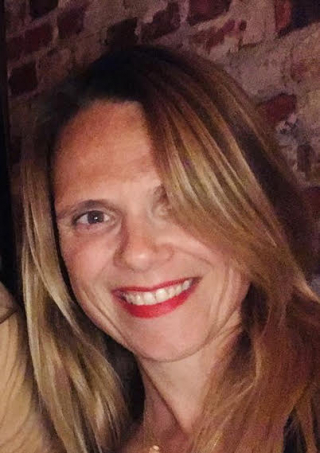
Jennie has long caramel coloured hair, brown eyes and wears red lipstick

When you’re Deaf or have a hearing impairment like me, there are some situations that can feel daunting and a bit stressful. Family gatherings and social get togethers being a prime example.

You see, in a noisy restaurant with background music, or even at home with lots of people talking at once, it can be really difficult to engage in conversation.

Picture the scene. Auntie Mary is sitting to my left reminiscing about when she met Uncle Freddie. My cousin John is chatting across the table to my sister about his new job. My daughter is tugging at my sleeve with a question and the dog is barking in the background. As a hearing person you might find this experience loud and distracting. Imagine how that feels when you’re trying to tune in to one voice at a time.

The thing that most people don’t grasp is that when a D/deaf person puts on their hearing aid or cochlear implant it’s not like wearing a pair of glasses. There isn’t sudden clarity. My hearing aids pick up ALL of the sounds around me whether I want them to or not. It takes time for my brain to adapt and work out sounds and that can be very tiring. Add into this reality the challenge of trying to lipread someone with a big bushy beard, or poor lighting and it’s completely exhausting.

What’s important to remember is that Communication is a 50-50 thing. We’ve all got a part to play. It shouldn’t just be the deaf person, always trying to ‘hear’ everything that’s being said. The statistics show that 1 in 6 people in the UK have a hearing impairment so it’s highly likely someone you know can relate to feeling excluded from the conversation. This barrier can lead to a disconnect and that’s where loneliness kicks in.

So what can people do to make social gatherings more accessible?

Well if you’re a hearing person you could start by asking what a D/deaf person’s access needs are. What would make the environment more comfortable and accessible? Examples are:

  1. Turning down background music
  2. Asking the restaurant for a quiet table
  3. Asking where the best place for you to sit is, so they can lip read you

If you’re the one with the hearing impairment then you could consider educating people by being open about what your own access needs are. Hearing loss is nothing to be ashamed or embarrassed about. It happens to the best of us, myself included, and I’ve found being honest about it helpful.

If a hearing person suggests you should wear a hearing aid because it would make life easier for THEM to be able to communicate with you, that’s not the reason you should wear one. It’s a decision only you can make if and when you’re ready to.

Stay Connected

Follow our disability and loneliness campaign by searching the hashtag #DisabilityAndLoneliness. Join us on twitter @ETUKUndressing and on Instagram @UndressingDisability.

Combatting Loneliness – Helpful Links

By Undressing Disability

If you’re following our Disability and Loneliness campaign, you’ll have seen our survey results which highlighted that:

  • 47% of those surveyed said they felt lonely frequently
  • 12% stated they always experienced loneliness
  • Only 20% had spoken with their GP, caregiver or therapist in relation to the impact loneliness was having on their wellbeing
  •  48% turning to friends and family for support.
  •  9.7% feel they had no-one to help and 41% replied ‘Maybe’ when asked if they had a support network to turn to
  • 38% believed that disabled people are the group that loneliness impacts the most
  • 32% believing that it was the over 50’s demographic most likely to feel lonely

Throughout our campaign we will add useful links and resources to this page. In the meantime follow the hashtag #DisabilityAndLoneliness and visit the links below.

The Love Lounge

If you’re feeling lonely following a relationship breakdown or would like to start dating but are worried about rejection or disclosing your disability read the articles below. You can also write into our Love Lounge for advice from our resident sexperts.

Disability, Sex, Virginity and Safety 

Finding the Confidence to Date Again

Dating and Living with Friedreich’s Ataxia 

Why do attraction sparks never go anywhere for me?

How to Become a More Confident Dater

Rejection, Dating and Disclosing Disability

Professional Support and Helplines

You might also find it helpful to visit the following websites or to call their helpline if you need someone to talk to. Please don’t struggle alone, there is help available and it’s always good to talk.

CALM – Campaign Against Living Miserably

MIND – The Mental Health Charity 

SAMARITANS 

WAVELENGTH – Fighting Loneliness

MARMALADE TRUST – Loneliness Charity 

UNDRESSING DISABILITY HUB – our free hub is a network for anyone interested in, or working in the field of sex and disability. Searching through the members there will highlight counsellors and therapists should you want to find professional help.

Stay Connected

Follow #DisabilityAndLoneliness hashtag and join the discussion around our campaign on twitter @ETUKUndressing and on Instagram @UndressingDisability.

Top